Design philosophy
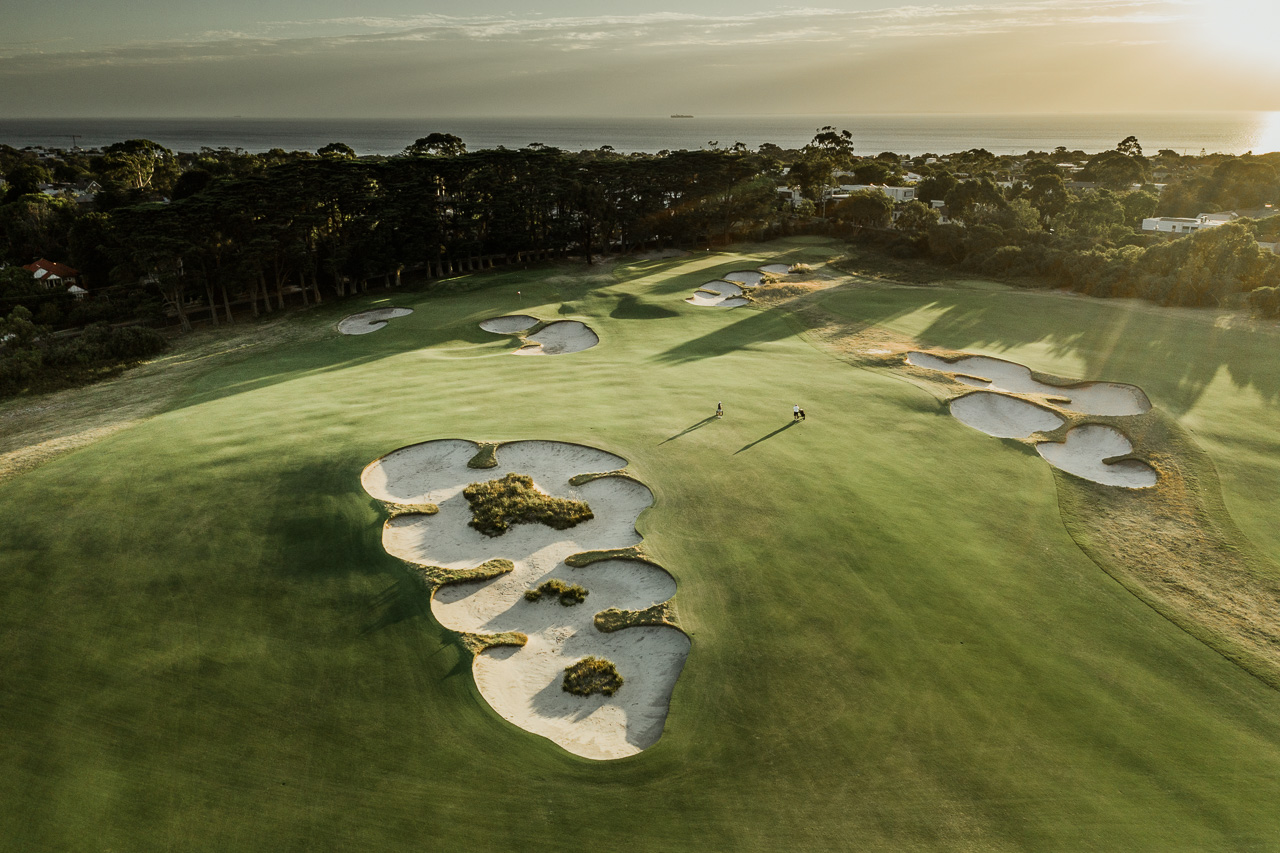
Naturalization of built forms; strategic width; multiple options; camouflage-inspired bunkers; undulating greens and decisive approach angles.
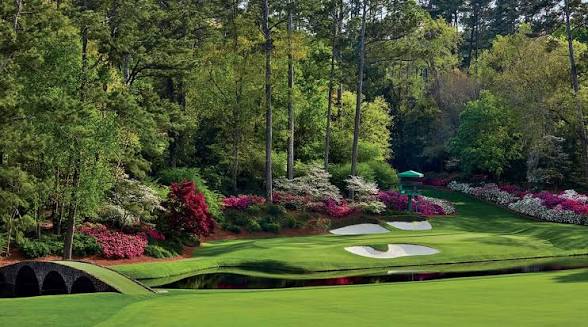
Alister MacKenzie was born in Yorkshire on 30 August 1870 into a family of Scottish origin. He studied medicine at Cambridge and practised as a physician and surgeon. His route into golf architecture is among the most unusual in the game’s history. During the Boer War he observed that the most effective defensive works were those that merged with their surroundings. He became absorbed by concealment, natural forms and optical deception, later developing his knowledge through military camouflage. This experience directly shaped his bunkers and earthwork: a successful intervention should look as though nature had made it, even when it was entirely constructed. A founding member of Alwoodley Golf Club near Leeds, MacKenzie began designing his first major course there in 1907. Moortown followed soon afterwards. In 1914 he won a Country Life competition for the design of an ideal golf hole, offering several routes suited to players of different standards. After the First World War he gradually left medicine, worked with Harry Colt and published Golf Architecture in 1920. The book set out thirteen principles that became foundational: variety, freedom from monotony, strategic alternatives, enjoyment for the average golfer, challenge for the expert and artificial features that could not be distinguished from nature. His career then became global. In Australia he designed or remodelled Royal Melbourne West, Kingston Heath, New South Wales, Metropolitan and other courses whose influence on Southern Hemisphere golf remains profound. In the United States, Cypress Point, Pasatiempo, Crystal Downs and Augusta National established his enduring reputation. At Cypress Point he arranged a dramatic sequence through woodland, dunes and ocean frontage. At Augusta National, created with Bobby Jones, he translated the width, angles and choices associated with St Andrews into an inland landscape. At Royal Melbourne, ragged bunkering, greens open from selected lines and firm slopes generate extraordinary strategic richness. MacKenzie sought stimulating uncertainty rather than difficulty for its own sake. His fairways are often broad because several positions should be available, yet those positions do not provide equally valuable approaches. His greens use contours to deflect a poorly placed ball and reward the correct route. He died of heart failure in Santa Cruz on 6 January 1934 before seeing Augusta National fully mature; his ashes were scattered at Pasatiempo. Underappreciated for a time, his work now stands at the centre of modern architectural thought. It unites medicine, camouflage, landscape art and strategy in a vision where a course may deceive the eye, must respect the ground and should preserve the player’s freedom to choose.
Naturalization of built forms; strategic width; multiple options; camouflage-inspired bunkers; undulating greens and decisive approach angles.
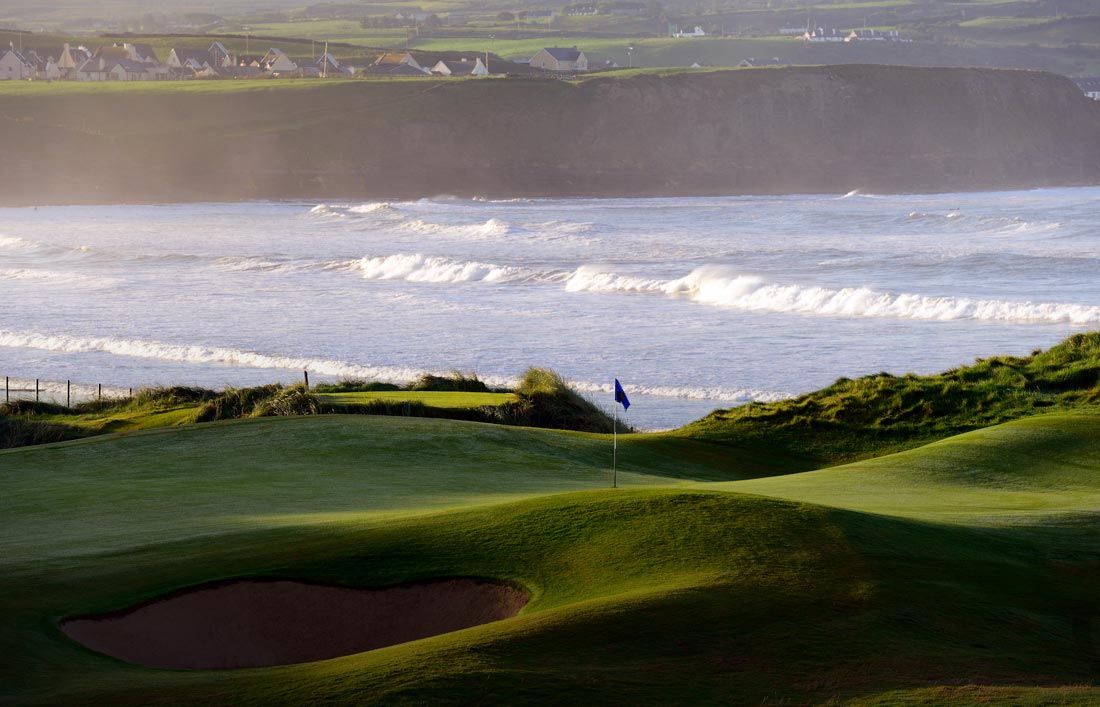
Augusta National; Cypress Point; Royal Melbourne West; Pasatiempo; Crystal Downs; Kingston Heath (remodelage); New South Wales; Lahinch (remodelage); Alwoodley; Moortown
13 of 13 courses located — click a point to open its page.

12 of 13 courses shown