Design philosophy
Organic architecture, extreme variety, ground game, refusal of repetitive standards; deep study of the great courses and intensive on-site construction.
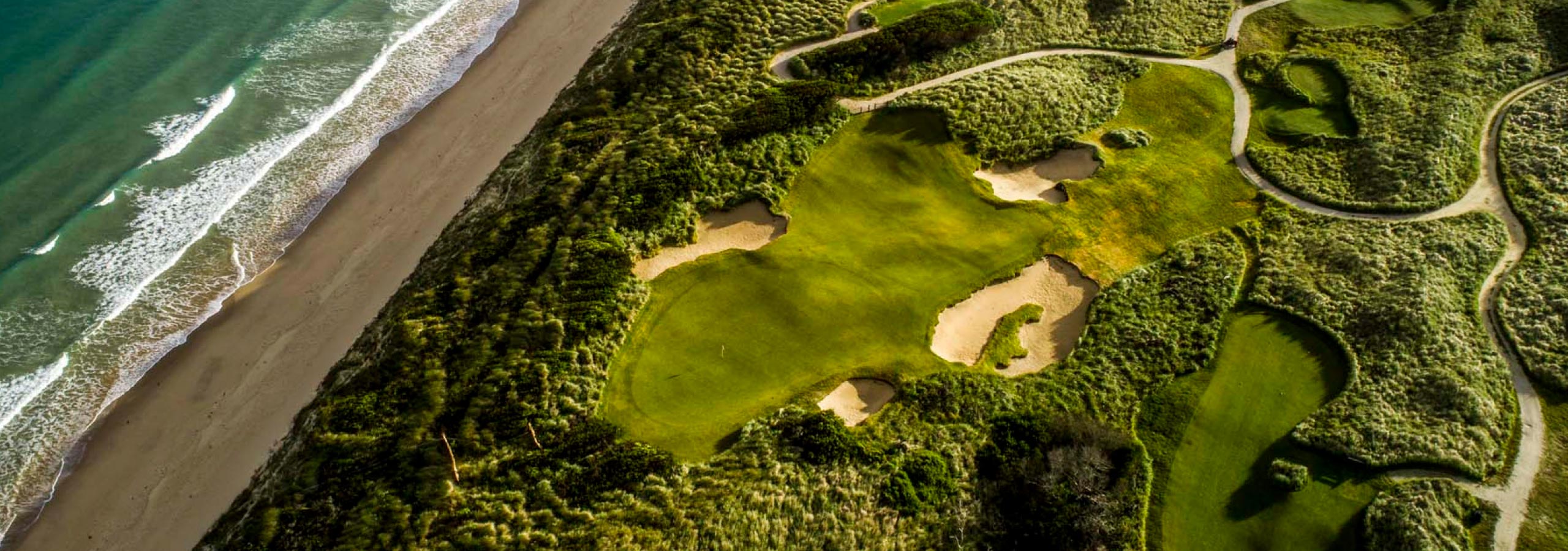
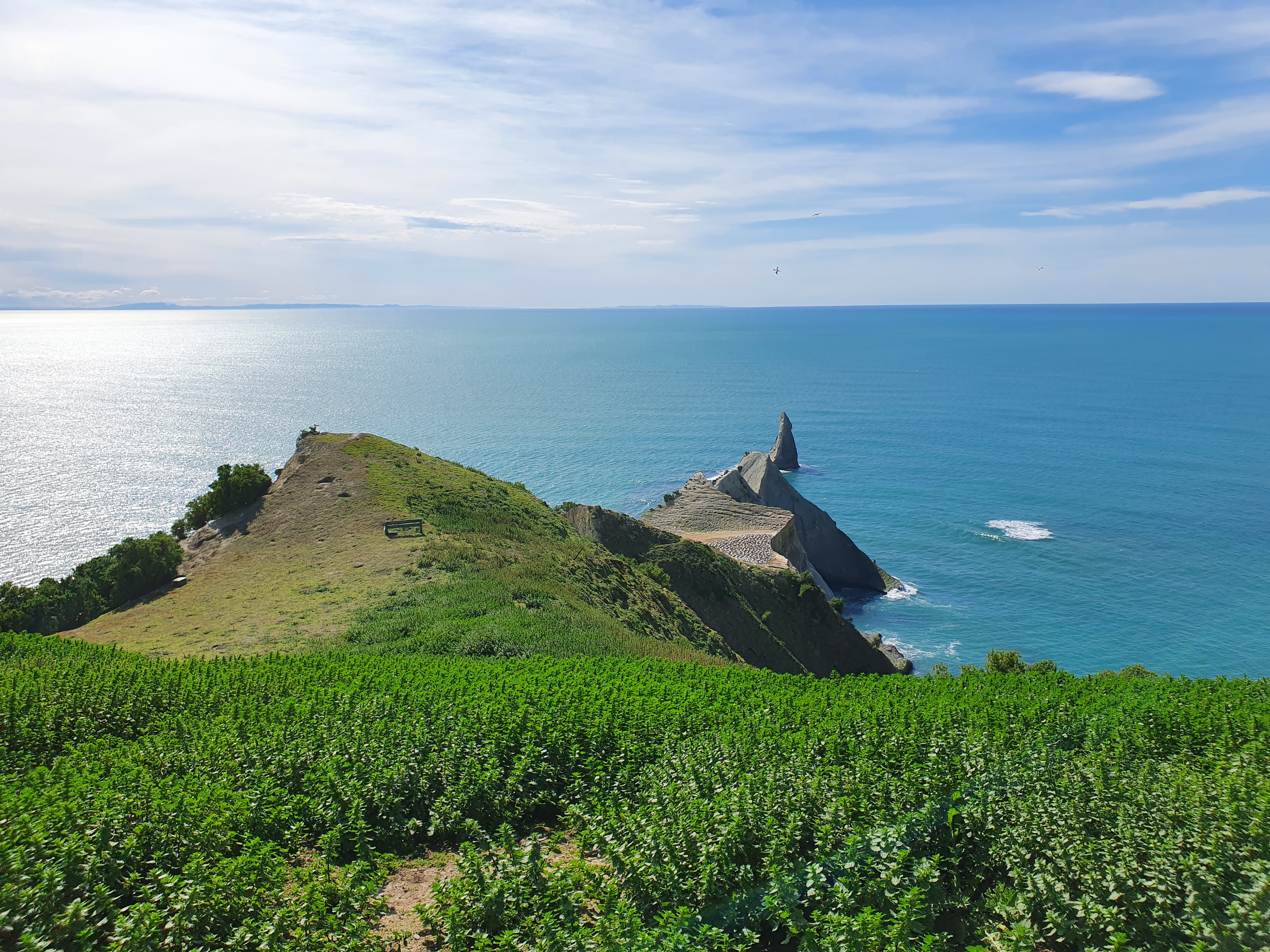
Tom Doak was born in New York State on 16 March 1961. Gifted in mathematics, he began college at the Massachusetts Institute of Technology before deciding that pure engineering was not his vocation. He transferred to landscape architecture at Cornell. A Frederick Dreer Award allowed him to live in Britain and Ireland, caddie at St Andrews and study nearly every important links. The experience revealed natural, affordable courses created with remarkably little earthmoving. On returning, Doak spent three years on projects with Pete Dye and his sons, learning shaping, drainage and the value of solving problems directly in the field. At twenty-six he received his first solo opportunity, High Pointe in Michigan, and founded Renaissance Golf Design. He also wrote The Anatomy of a Golf Course and The Confidential Guide, whose direct criticism made him respected and controversial. Pacific Dunes, opened in 2001, established his international reputation. The course follows dunes and cliffs without obeying conventional sequences of par or direction. Barnbougle Dunes, Ballyneal, Cape Kidnappers, Tara Iti, St Patrick’s Links, Old Macdonald and Pinehurst No. 10 continued the pursuit of variety. Each project is intended to possess an individual identity; Doak rejects standard solutions and courses designed merely to meet championship length. His method is intensely field based. Renaissance architects spend much of the year on construction sites, operate machinery and revise forms until they appear native to the ground. The firm also became a school in which several associates developed complete design responsibility. Doak is equally influential as a thinker. His books, rankings and public arguments renewed debate about strategy, maintenance and construction cost. A living architect, he remains provocative, but his influence is undeniable. He demonstrated that modern architecture could be radical while drawing directly from the oldest lessons of golf.
Organic architecture, extreme variety, ground game, refusal of repetitive standards; deep study of the great courses and intensive on-site construction.
16 of 16 courses located — click a point to open its page.



12 of 16 courses shown