Design philosophy
Économie de construction et d’entretien, stratégie accessible à tous les niveaux, greens subtils, bunkers sobres et utilisation intelligente du paysage méditerranéen ou forestier.
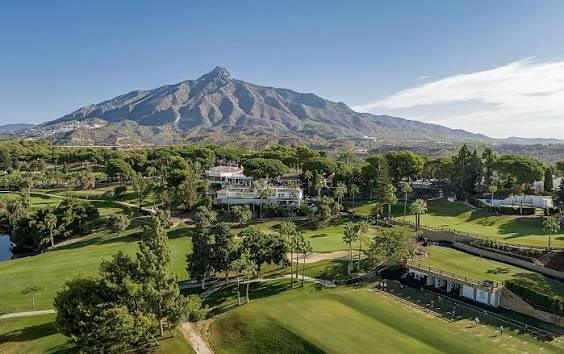
Javier Arana is the founding figure of modern Spanish golf architecture. Born in Bilbao in 1905, he grew up when golf in Spain remained a small activity centred on a few Basque and internationally connected clubs. Arana became one of the country’s finest amateurs between the wars, won events at home and abroad and represented Spain. His sporting interests extended beyond golf: he competed as a sailor at the 1928 Olympic Games. Experience as player, referee and national-team captain gave him an unusually broad understanding of competition. Arana also studied courses, worked as a greenkeeper and engaged closely with maintenance. In 1932 he signed the founding document of the Spanish Golf Federation. After the Civil War he became directly involved in rebuilding or restoring much of Spain’s golf infrastructure. Scarcity shaped his philosophy: a good course had to be strategic, durable, economical to construct and realistic to maintain. He produced only about twelve principal original courses, but their quality was exceptional. El Saler, between pine forest, dunes and the Mediterranean, is generally regarded as his masterpiece. Club de Campo Villa de Madrid’s Black Course, Ulzama, Aloha, Guadalmina and the different incarnations of El Prat demonstrate his ability to adapt strategy to radically different landscapes. He defended par not through an excess of hazards but through placement, green orientation and the relationship between drive and succeeding shot. His holes remain welcoming to average golfers while demanding precision from champions. Bunkers are often limited in number but ideally located. Subtle green contours make approach position decisive. Arana died in 1975. Long insufficiently known outside Spain, he is now recognised as one of twentieth-century Europe’s major designers. His legacy lies both in the courses and in a modern doctrine: design should serve play, landscape and the real economics of a club.
Économie de construction et d’entretien, stratégie accessible à tous les niveaux, greens subtils, bunkers sobres et utilisation intelligente du paysage méditerranéen ou forestier.
4 of 5 courses located — click a point to open its page.