Design philosophy
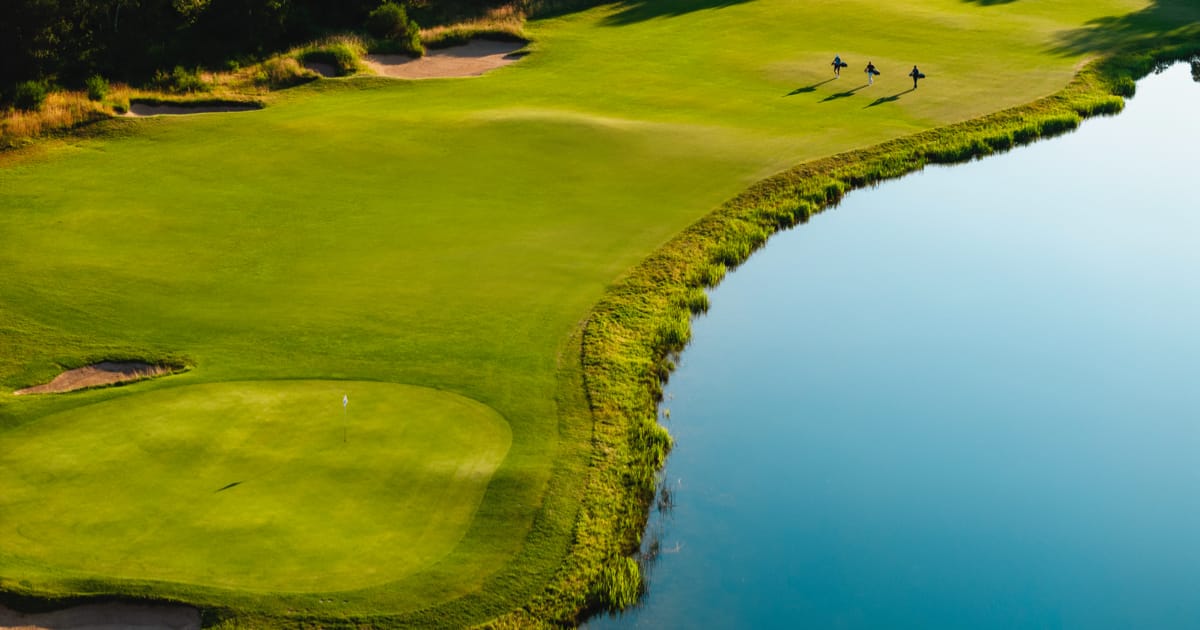
Design carried out directly on site, visual simplicity with sophisticated strategy, documented restorations of golden-age masters, and a central partnership with Jim Wagner.
Gil Hanse initially studied history and political science at the University of Denver and considered a public career. While pursuing graduate work in city and regional planning at Cornell, he discovered a legitimate path into golf architecture and shifted toward landscape. As recipient of the Frederick Dreer Award, he spent nearly a year in Britain and Ireland, living near St Andrews and Oxford, studying links and gaining experience with Hawtree & Son. Before that journey Hanse had already worked as a labourer on Tom Doak’s first solo course. On returning he joined Renaissance Golf Design for almost four years. In 1993, following work at Stonewall in Pennsylvania, he founded his own firm. Jim Wagner joined in 1995 and became an essential design and field partner. The practice has remained intentionally small. Hanse and Wagner believe courses are designed and restored in the field rather than solely on a drawing board. Boston Golf Club, Rustic Canyon, Castle Stuart, Ohoopee Match Club and Streamsong Black display visually simple but strategically sophisticated architecture. The Rio Olympic course, built for golf’s return to the Games in 2016, gave Hanse global visibility. Restoration is an equally important speciality. Los Angeles Country Club North, Winged Foot, Merion, The Country Club, Oakland Hills and works by Tillinghast, Flynn and Ross have received detailed study and intervention. Hanse seeks to recover historic intent without turning a course into a museum; modern play, members and championships must also be accommodated. He frequently works directly with machinery and values native soils, vegetation and roughness of form. His courses avoid uniform finish and aim to feel discovered, then lightly revealed. A living architect, Hanse remains one of the most sought-after practitioners of his generation. His work should consistently credit Jim Wagner and the wider team. Because a complete birth date is not clearly established in reliable institutional sources, this profile records the commonly published year with a cautionary note.
Design carried out directly on site, visual simplicity with sophisticated strategy, documented restorations of golden-age masters, and a central partnership with Jim Wagner.
5 of 5 courses located — click a point to open its page.