Design philosophy
Routings discovered on foot, minimal earthmoving, strategic width, fast natural surfaces; architecture born from the ground itself rather than an imposed style.
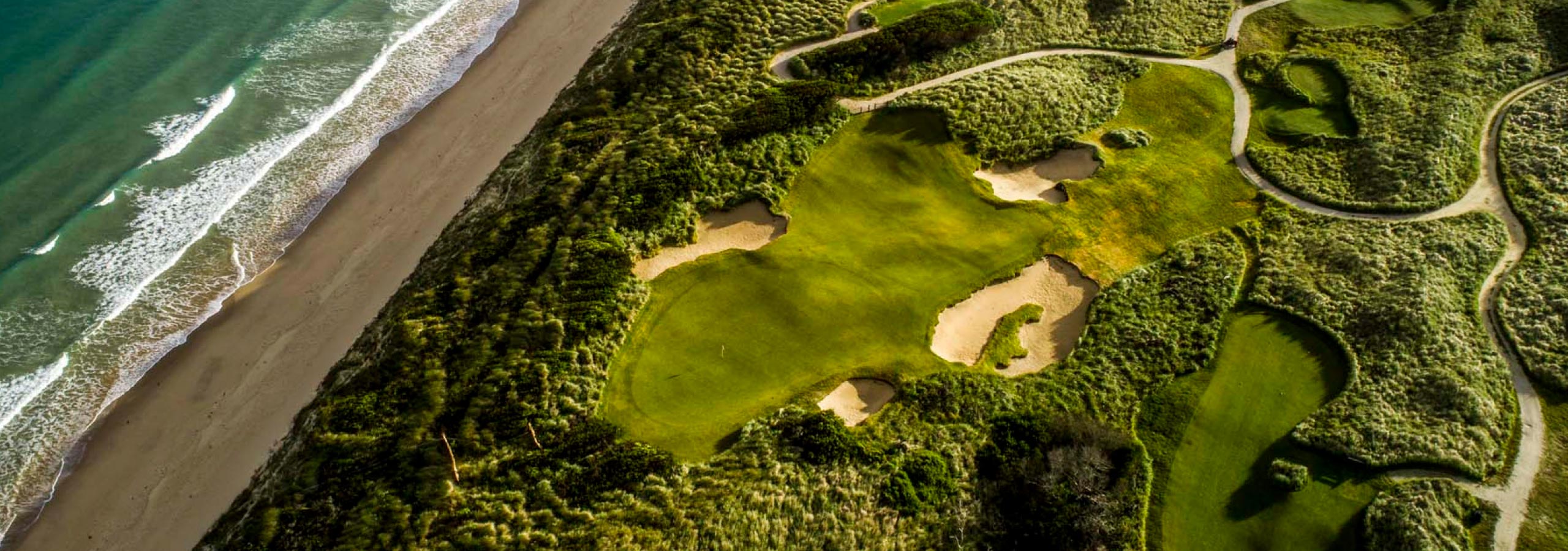
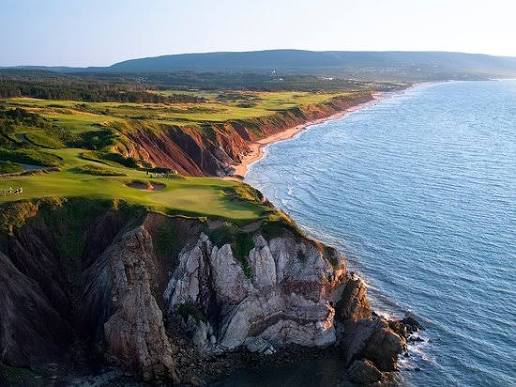
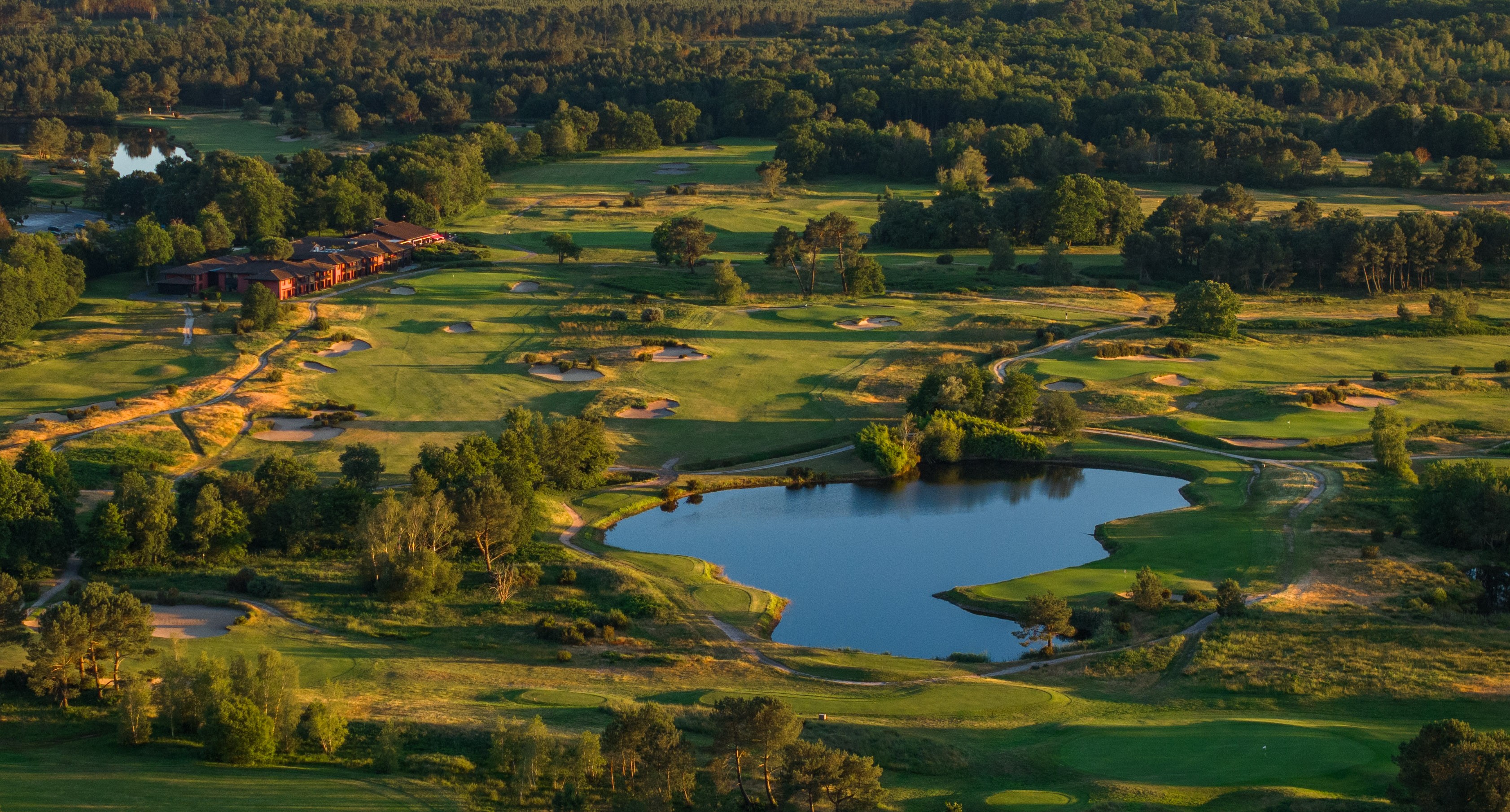
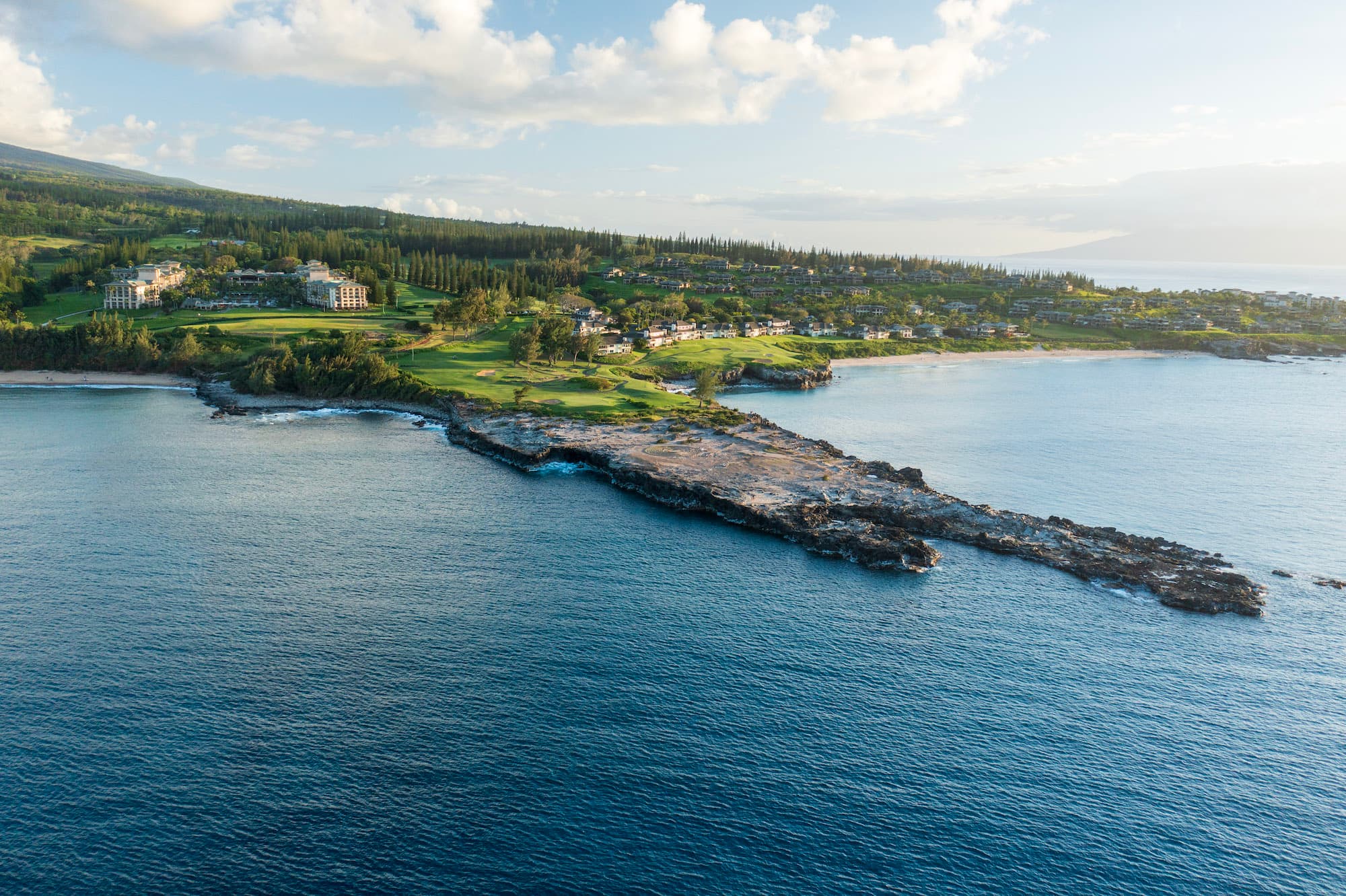
Bill Coore grew up in rural North Carolina near Pinehurst and encountered Donald Ross’s courses at an early age. A neighbour, Donald Jarrett, introduced him to the Pinehurst layouts; No. 2 and Old Town Club, the Perry Maxwell course he played while attending Wake Forest, became foundational references. Coore graduated in landscape studies in 1968, served in the United States Army and then persistently sought an entry into golf architecture. In the early 1970s he joined Pete and Alice Dye as a labourer, machine operator and design assistant. The experience taught him that a course is not created only on paper but through field decisions involving soil, drainage and construction teams. He founded his own practice in 1982, completing projects including Golf du Médoc in France, and formed a partnership with Ben Crenshaw in 1985. They deliberately restricted their workload so that each site could receive sustained attention. Sand Hills in Nebraska transformed perceptions of modern American design. Its routing followed natural dunes and restored width, angles, firmness and ground play to the centre of contemporary architecture. Friar’s Head, Cabot Cliffs, Kapalua Plantation, Streamsong Red, Sheep Ranch and Te Arai South carried the philosophy into radically different landscapes. Coore spends weeks walking a property, identifying natural paths and details that maps cannot reveal. He relies less on office drawings than on continuous adjustment with a trusted shaping team. The restoration of Pinehurst No. 2, completed with Crenshaw, recovered sandy native areas, strategic lines and Donald Ross’s restraint after decades of excessive turfing. A living architect, Coore is a central figure in minimalism, a term that describes discipline rather than lack of labour. His legacy combines field practice, deep study of classics and an unusual ability to allow every property to develop a separate identity. Because his full date of birth is not securely confirmed in authoritative public sources, this profile records only the generally published year.
Routings discovered on foot, minimal earthmoving, strategic width, fast natural surfaces; architecture born from the ground itself rather than an imposed style.
16 of 16 courses located — click a point to open its page.
12 of 16 courses shown