Design philosophy
Adaptation japonaise de l’école Alison; bunkers sculpturaux, routages précis dans les forêts et collines, greens subtils; synthèse de paysages japonais et de stratégie britannique.
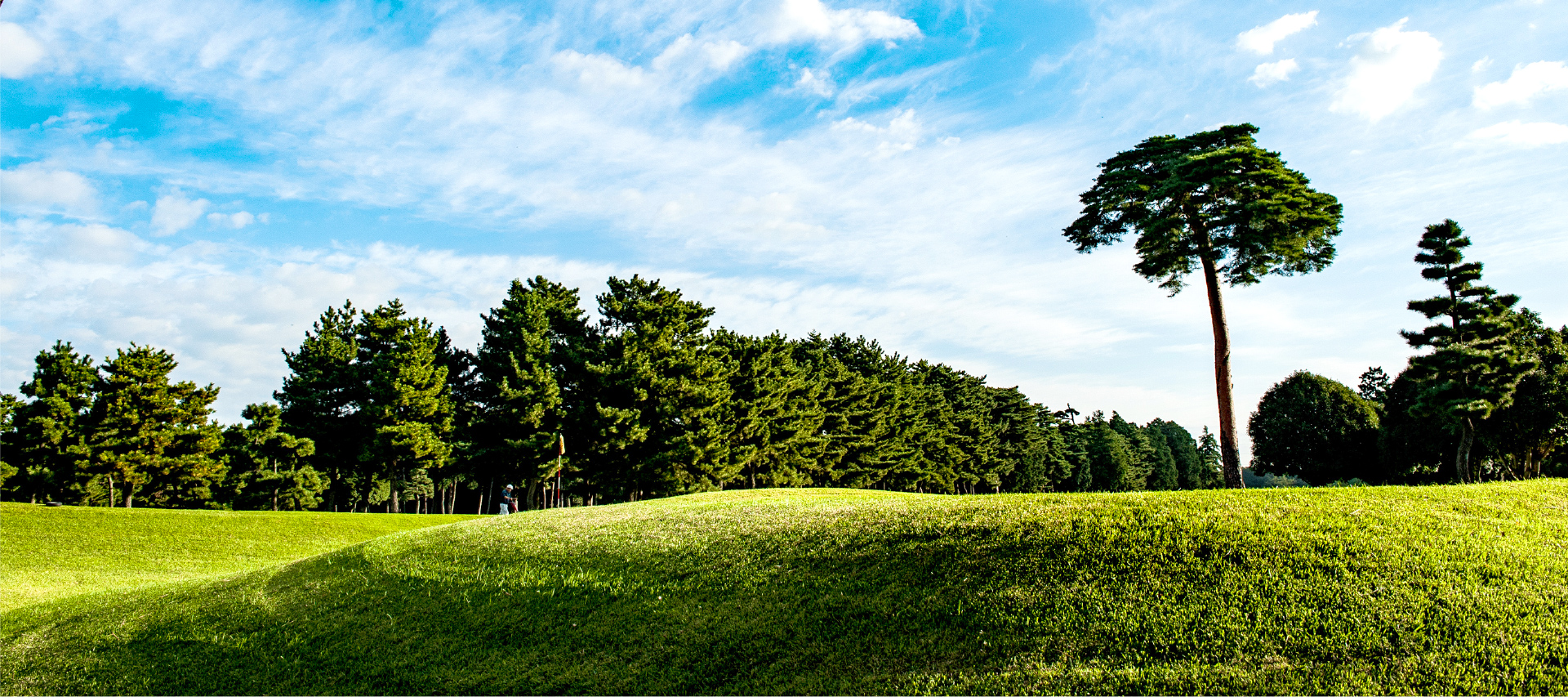
Seiichi Inoue was born in Tokyo on 1 August 1908 into a prosperous family connected with medicine. As a teenager he suffered from encephalitis lethargica. An uncle who belonged to Kasumigaseki recommended golf as helpful to recovery. While convalescing at Kawana in 1930, Inoue encountered Charles Hugh Alison, then visiting Japan to advise clubs. He observed Alison’s inspections, sketches and method of reading landscape, and the meeting determined his vocation. Inoue subsequently participated in work at Kasumigaseki West and studied Hirono, Tokyo Golf Club and other courses associated with Alison. He absorbed British strategy, forceful bunkering and the importance of routing, but did not produce Western copies. Those principles were adapted to Japanese hills, pine forests, volcanic soils and landscape sensibility. Oarai, Nikko, Aichi, Ryugasaki, Sapporo Wattsu, Takanodai and Ibaraki West are among his major works. Oarai moves through dense coastal forest where trees, wind and bunkers establish precise lines. Nikko uses mountain foothills and majestic vegetation without losing clarity of play. Ryugasaki and Sapporo demonstrate championship golf that is both disciplined and subtle. Inoue paid exceptional attention to greens and their surrounds. Slopes are seldom arbitrary: they influence approach angle and driving position. His bunkers possess Alison’s visual power but are often integrated into a more controlled, contemplative landscape. He designed approximately forty-four courses in Japan and two abroad, becoming the country’s first true professional golf architect. He died in 1981. His influence in Japan is comparable to Ross in America or Russell in Australia. He established a profession, created a design culture and produced several national references. His legacy is a synthesis of British strategic principles, Japanese precision and profound respect for the atmosphere of each place.
Adaptation japonaise de l’école Alison; bunkers sculpturaux, routages précis dans les forêts et collines, greens subtils; synthèse de paysages japonais et de stratégie britannique.
4 of 4 courses located — click a point to open its page.