Design philosophy
Value of the aerial shot, approach angles, complex greens, and championship tests; evolution towards more playability and environmental sensitivity within a large international agency.
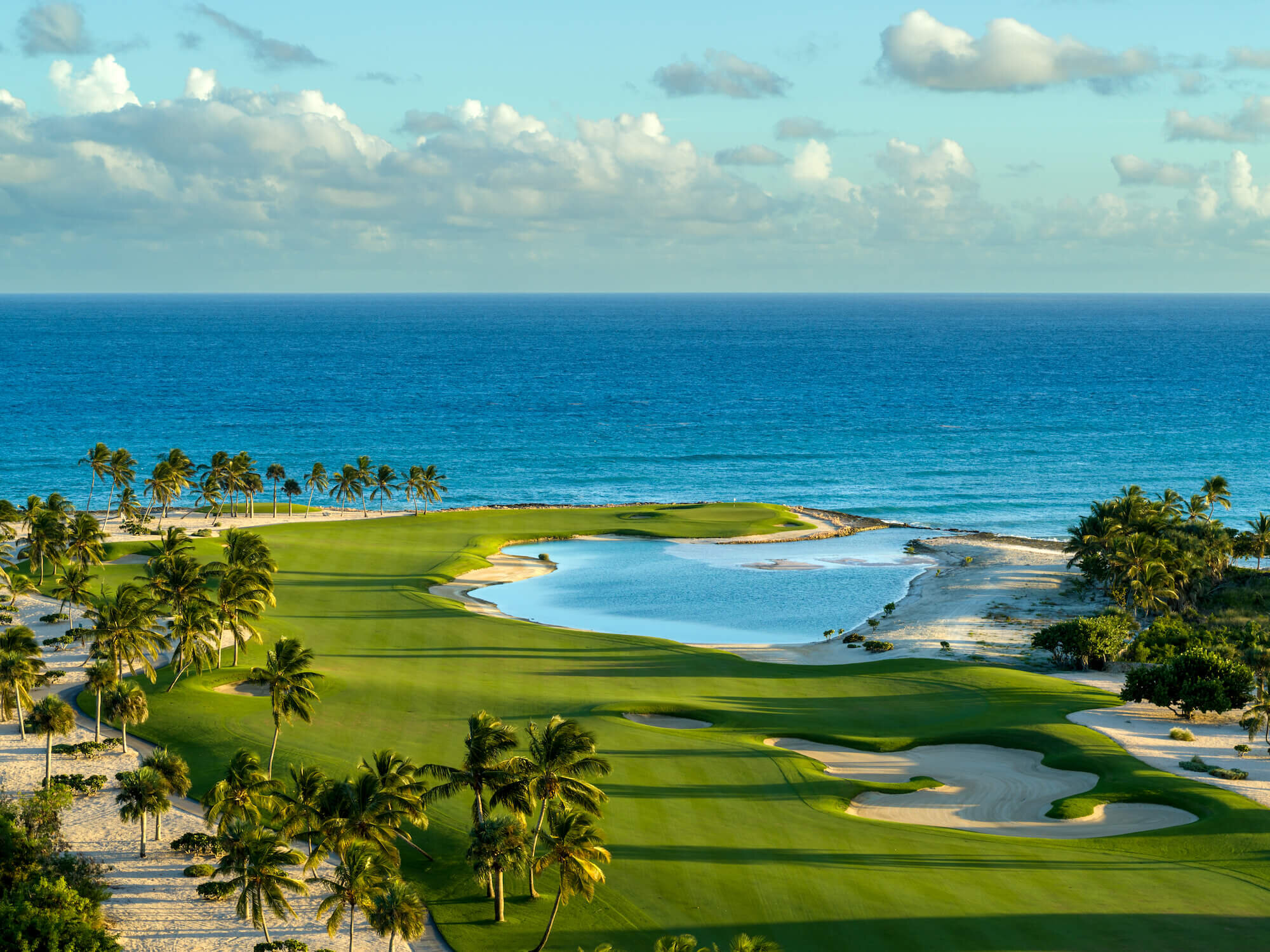
Jack William Nicklaus was born in Columbus, Ohio, on 21 January 1940. He became one of golf’s greatest players, winning eighteen professional major championships and two U.S. Amateurs. His interest in architecture grew while competing in tournaments and exhibitions during the early 1960s, when he observed how different courses shaped strategy. Pete Dye invited him to study the creation of The Golf Club near Columbus and later collaborate at Harbour Town. Architecture consequently developed from an avocation into a second career. Muirfield Village, opened in 1974 in his home city, was his foundational work. Nicklaus wanted a course capable of hosting a major event while delivering a strong members’ experience. He emphasised approach play, hole locations, green plateaus and control of the aerial shot. Some early designs proved demanding for average golfers, with hazards guarding fronts and lines requiring considerable power. Over time his approach evolved toward greater width, multiple tees and more options along the ground. Nicklaus Design became one of the world’s largest practices. Shoal Creek, Castle Pines, Punta Espada, Manele, Monte Rei and hundreds of other projects spread the brand across several continents. Nicklaus often acted as principal author and elite critic while associates completed analysis, plans and site supervision. Those contributions should remain visible in attribution. His effect on the economics of the “signature course” was enormous: a champion’s name could support resorts, residential communities and international destinations. Yet his architecture cannot be reduced to marketing. Nicklaus developed substantive ideas about shot sequence, legibility of risk and the capacity of a course to reveal great play. He received the ASGCA Donald Ross Award in 2001. As a living architect, his profile requires continuing updates. His legacy combines competitive genius, global scale and a gradual movement from severe championship testing toward more flexible playability.
Value of the aerial shot, approach angles, complex greens, and championship tests; evolution towards more playability and environmental sensitivity within a large international agency.
20 of 20 courses located — click a point to open its page.

:format(jpeg)/media/page/0d9c3f28-f561-4d38-9936-c31b4175c220.JPG)




12 of 20 courses shown